
Pot_Holes
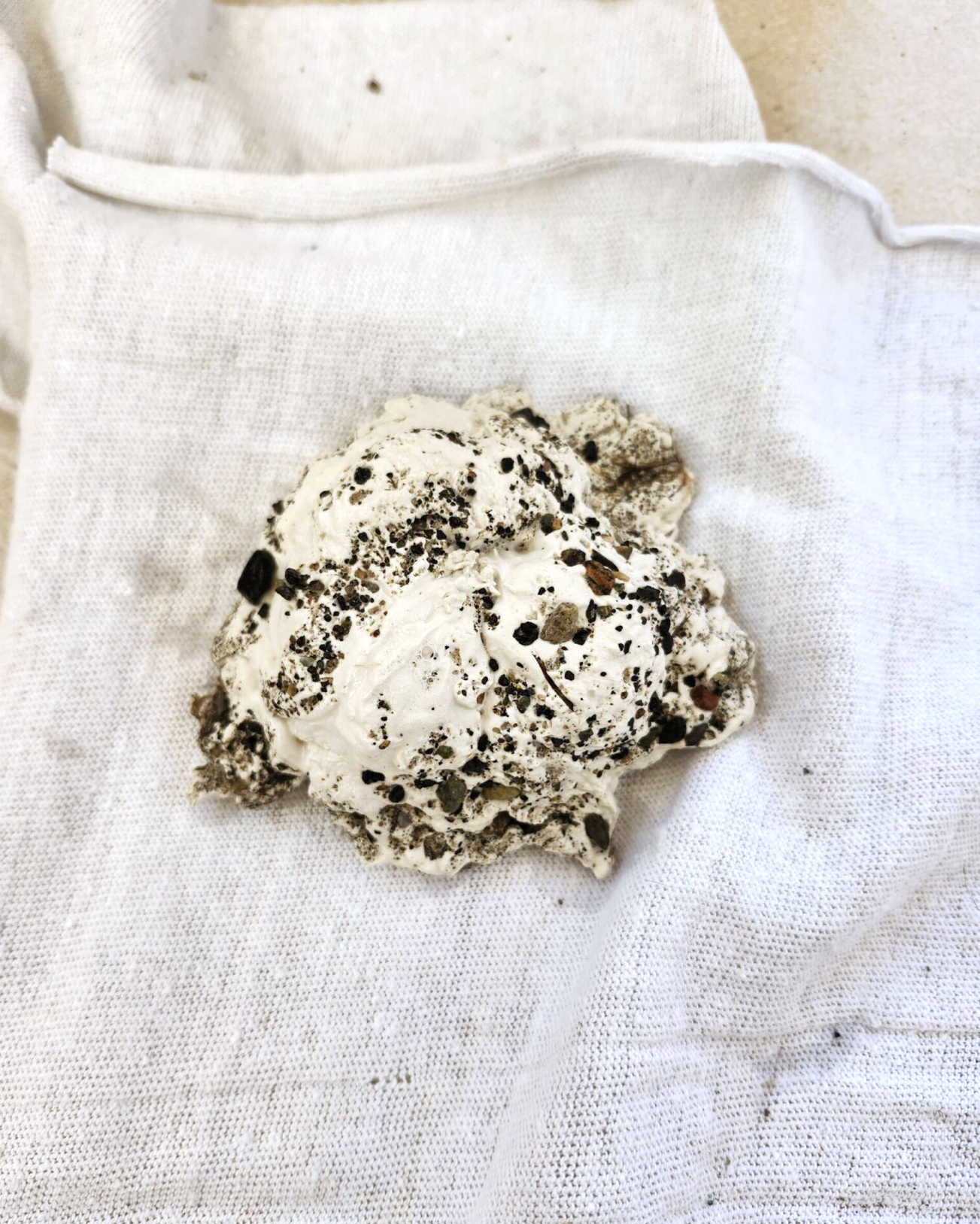
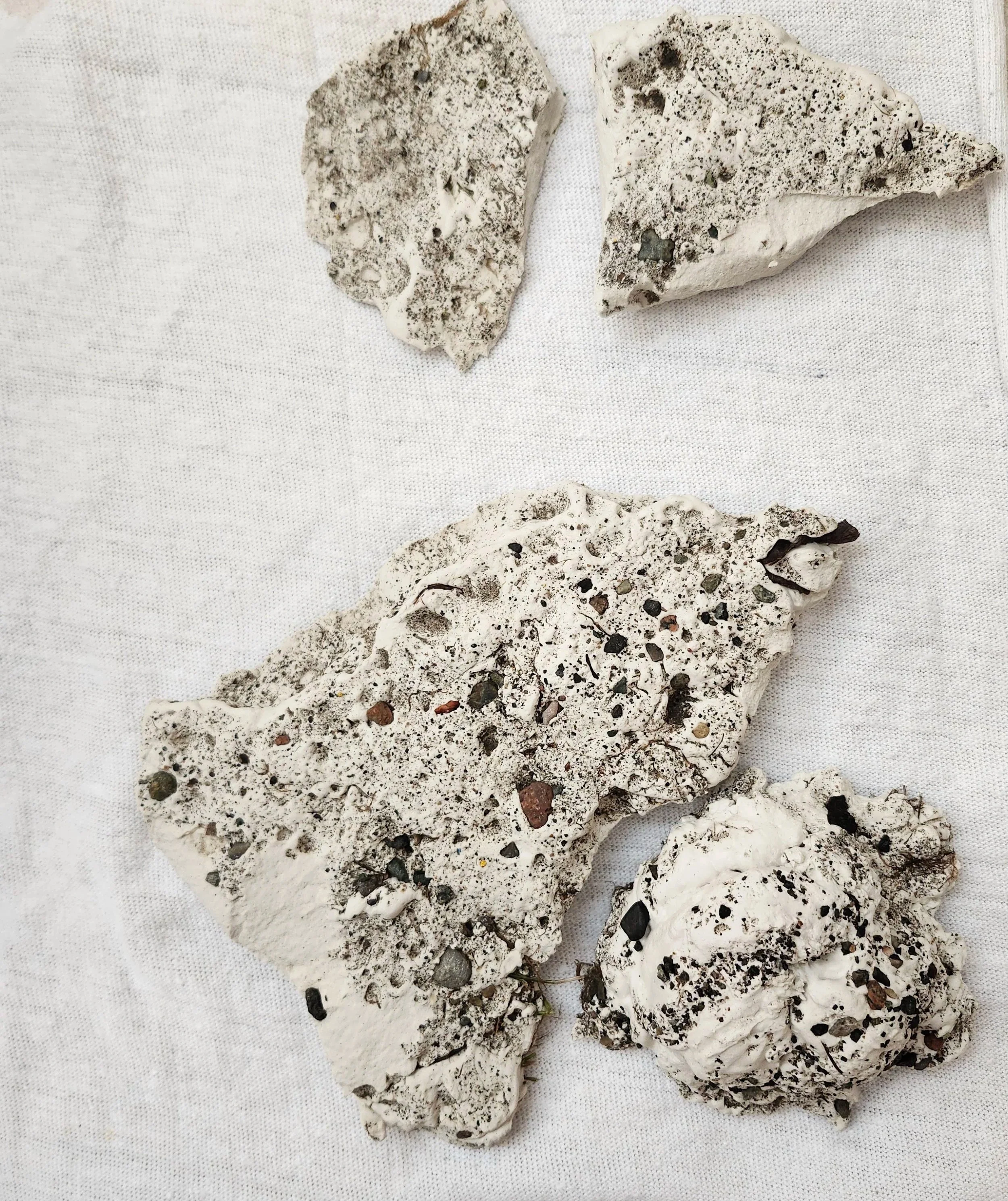
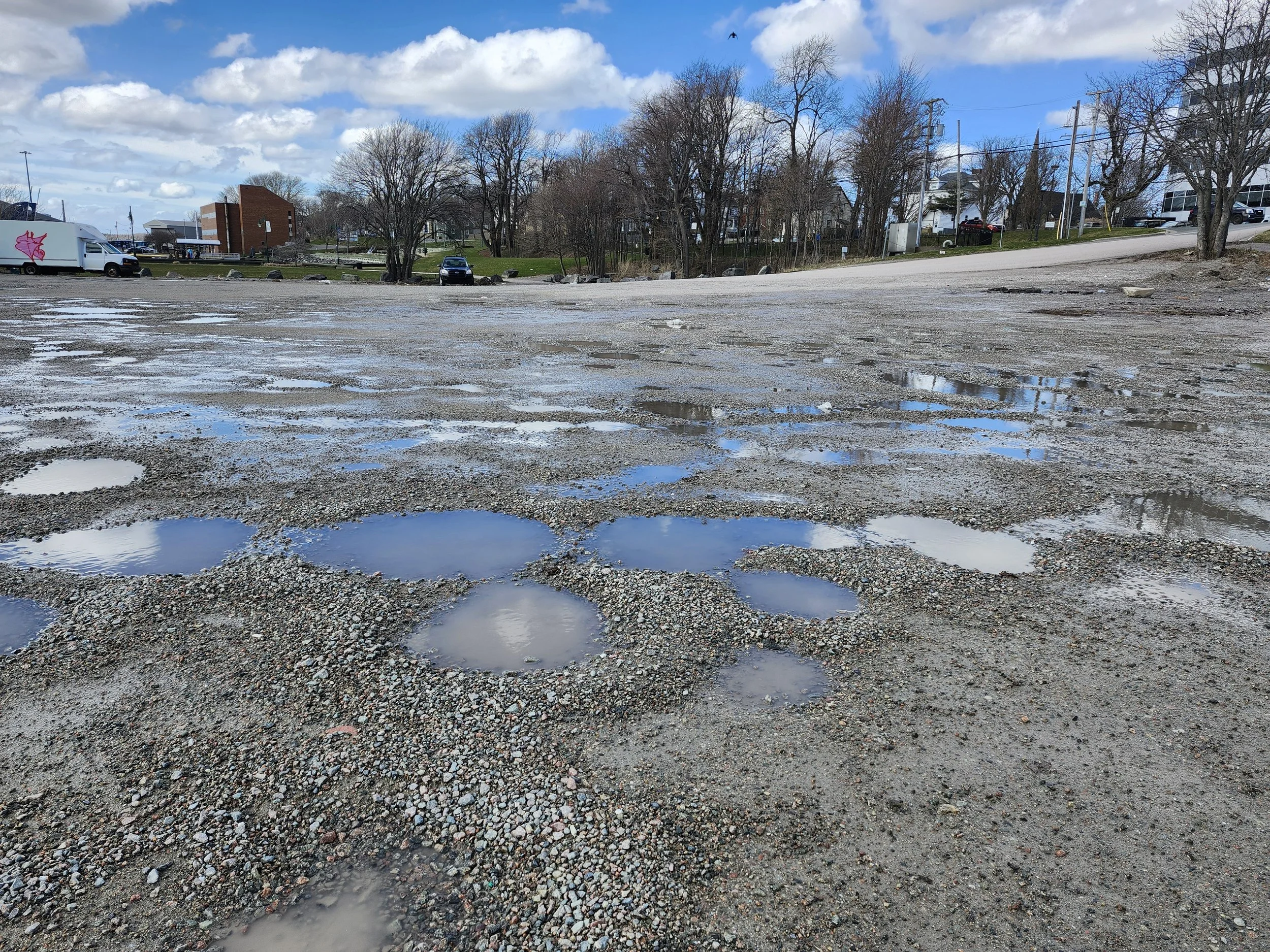
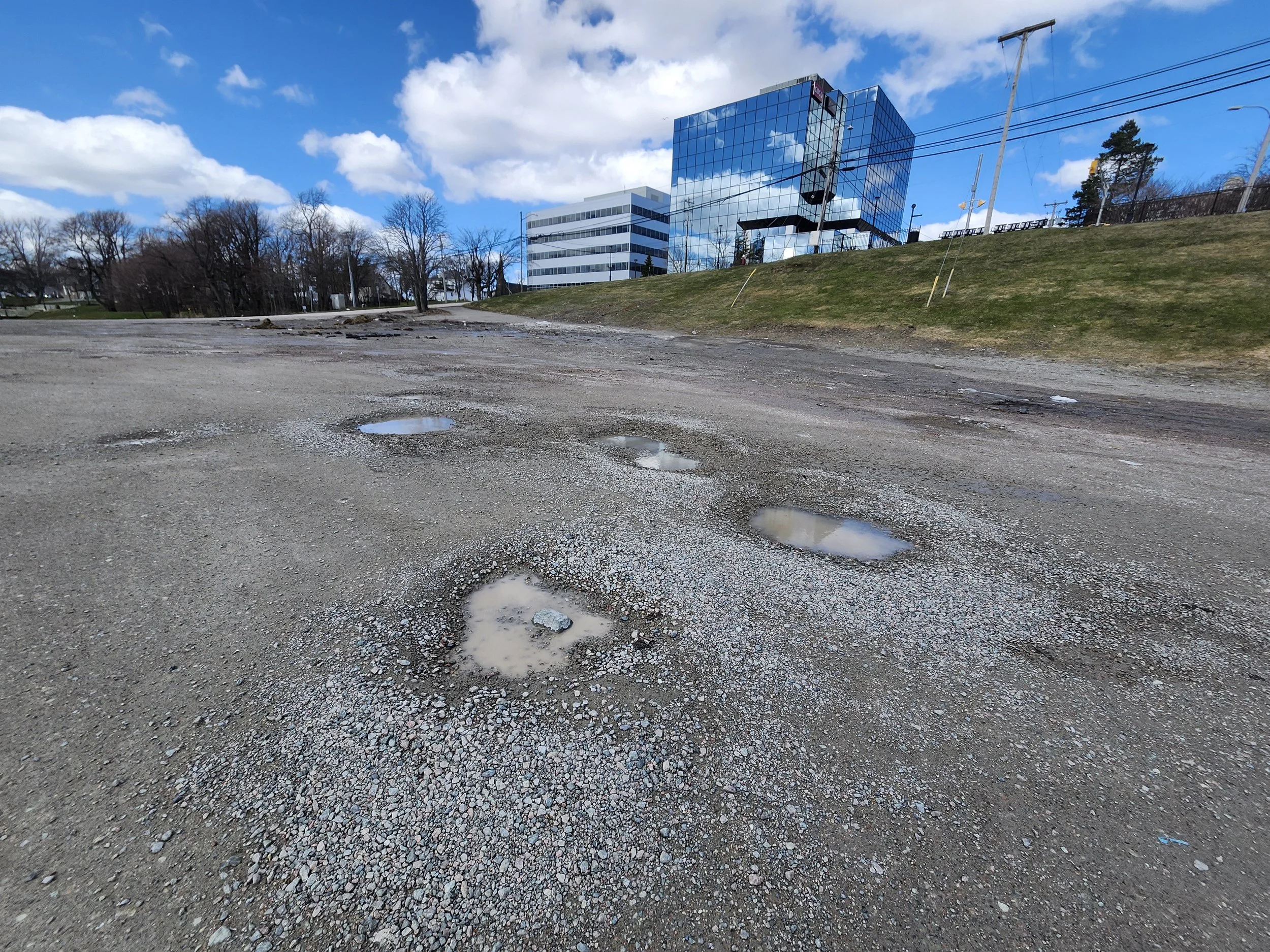
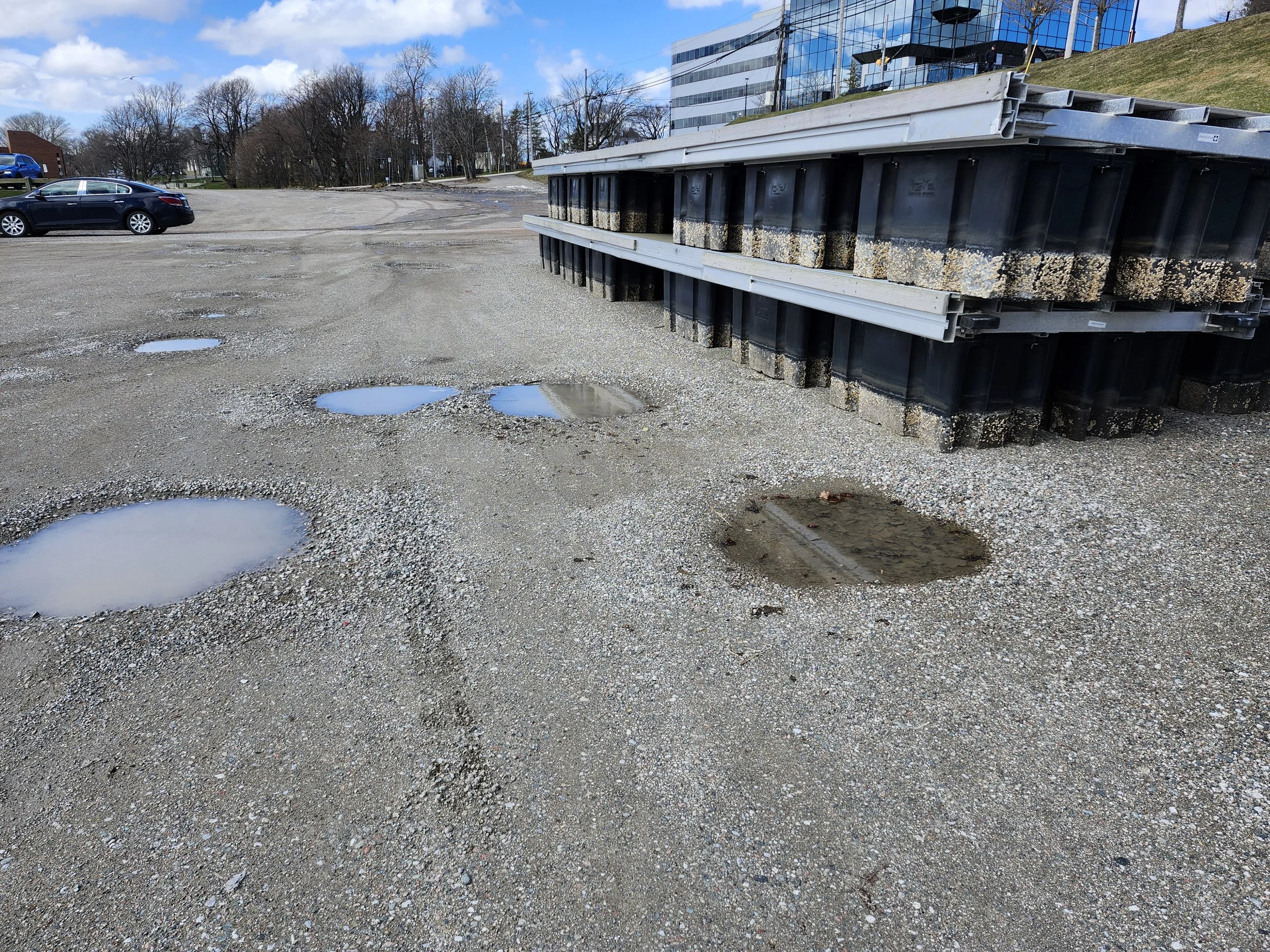
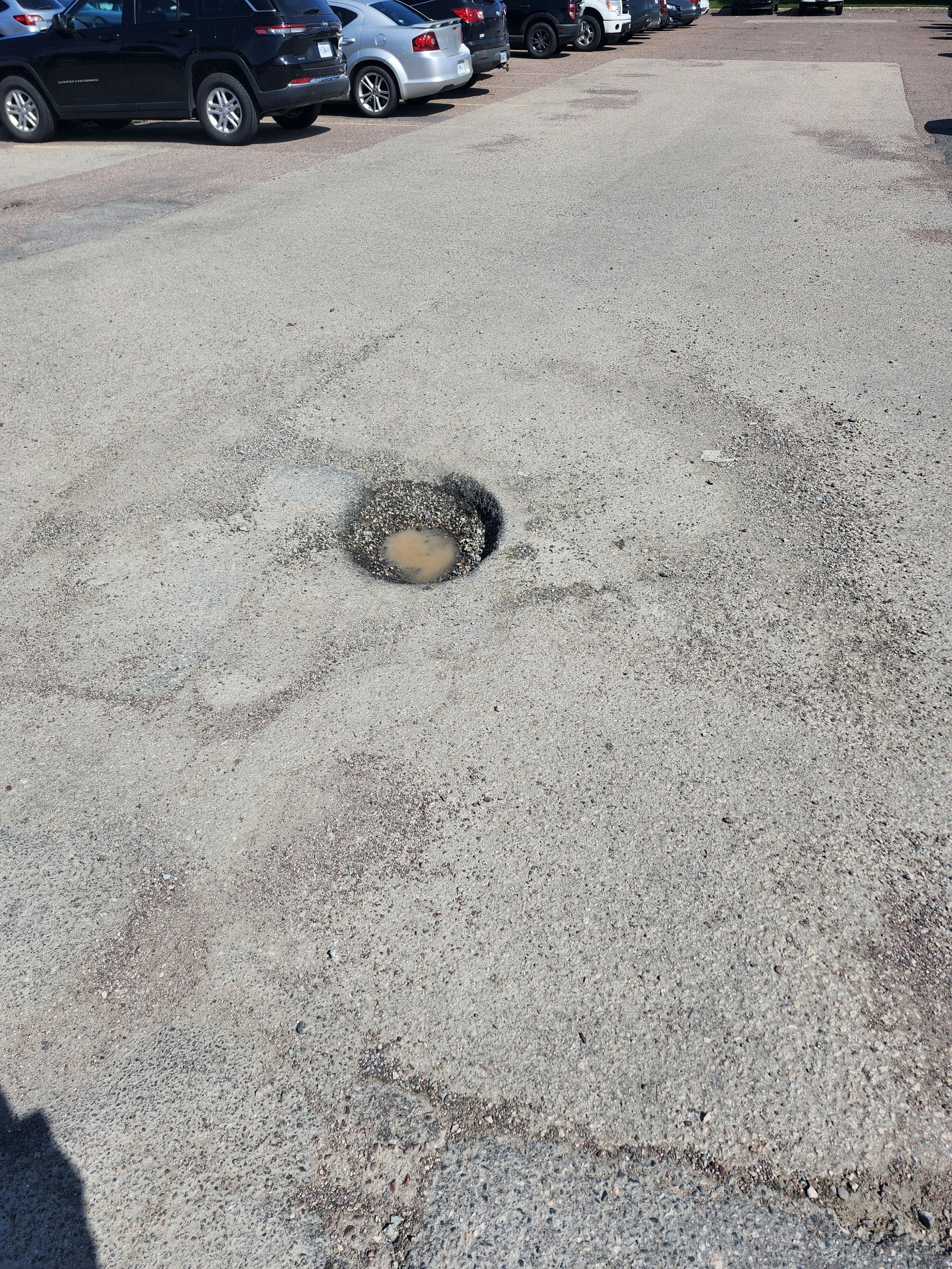
As part of the Cape Breton Municipality's Creative Catalyst Program, I documented potholes around Sydney, Nova Scotia and reconstructed them using plaster.
Pot_Holes: About

When moving to a new location, I tend to walk around several neighborhoods quite frequently. Being a new resident in a community rich with history, such unfamiliarity can become intimidating. Walking is my notion of learning, understanding, and remembering specific pathways, objects, and buildings here in Sydney. As I wander, there are no expectations, specific routes, or a fixed destination; only decisions based on spontaneous curiosity.
As I walk, I tend to look down at the pavement and guide my feet to where they will land next. When walking, I am not too parallel with the sidewalk, as I often drift from side to side (while aware of individuals passing by). This habit was formed during my childhood as elevated sidewalks, uncovered sewer holes, and spotted potholes were common in my neighborhood of Queens, New York. Such uncertainties of infrastructure allowed me to adapt to a unique way of understanding my surroundings.
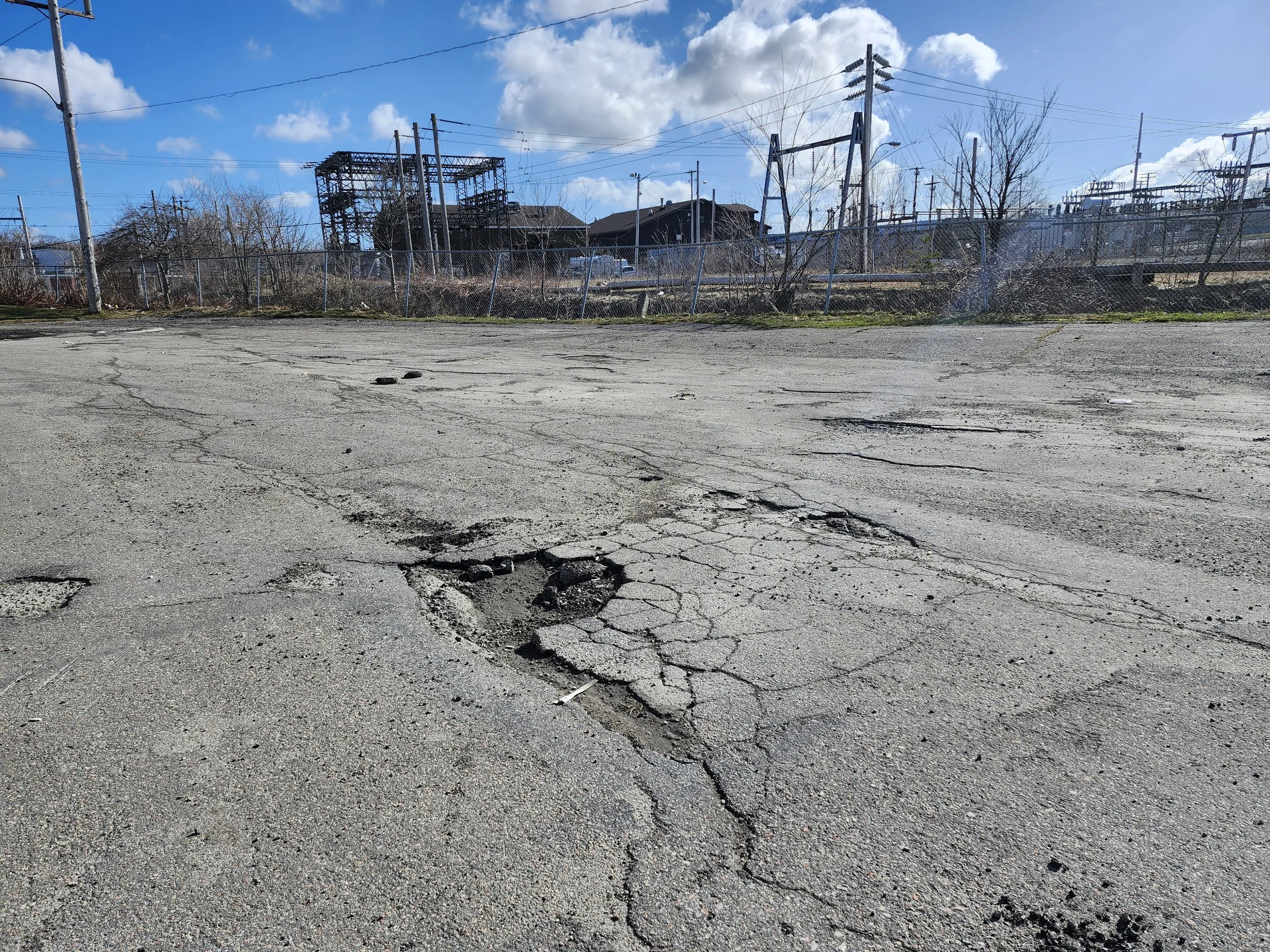
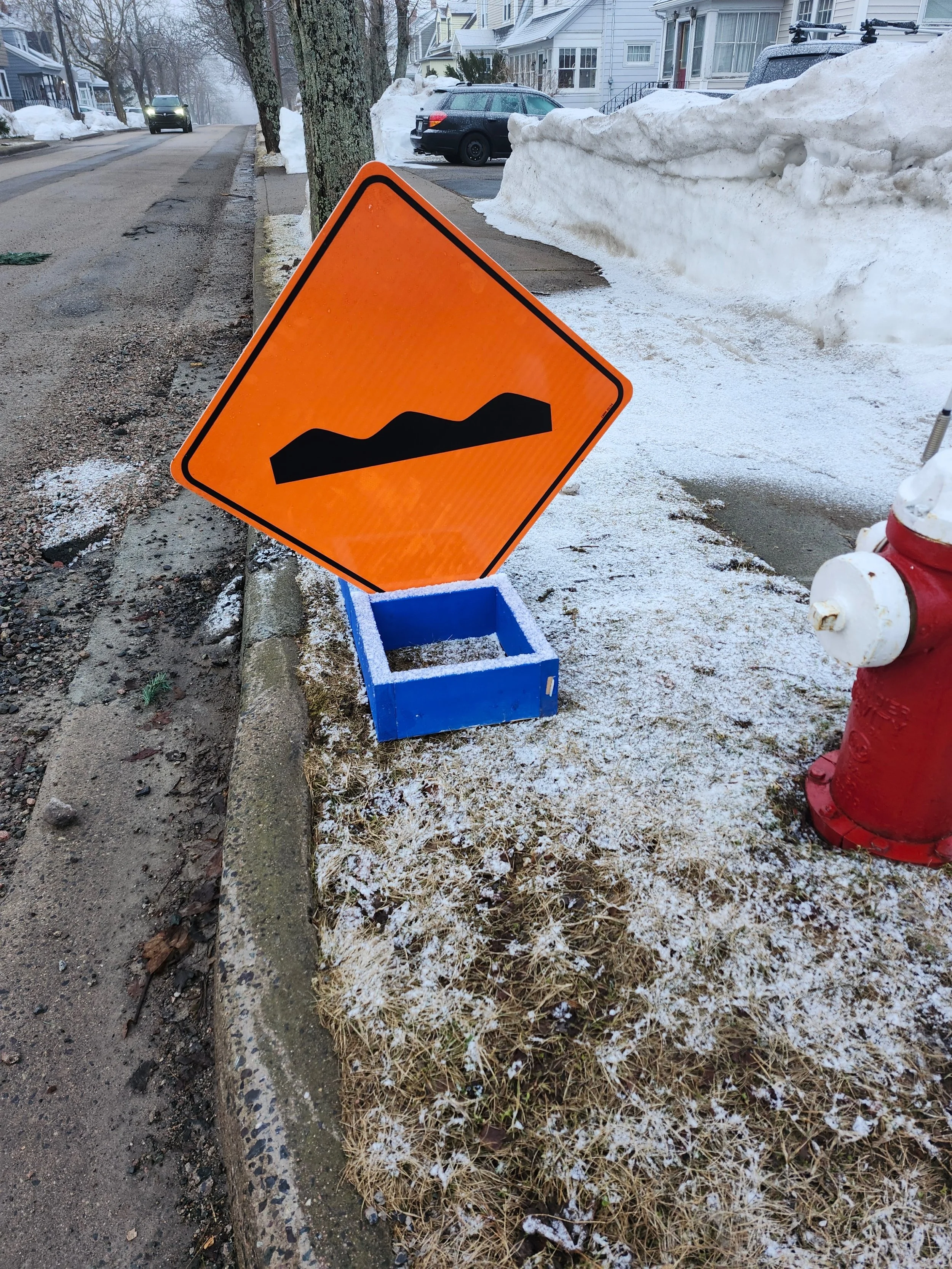
While exploring Sydney, I noticed characteristics similar to those of my hometown. These roadways are being deconstructed due to the pressures of the climate, traffic, and drainage. With such changes, potholes (sometimes large) are formed and scattered throughout many communities. Potholes are a cause for concern and safety, as accessibility becomes limited and the cost of vehicle repair is expensive.
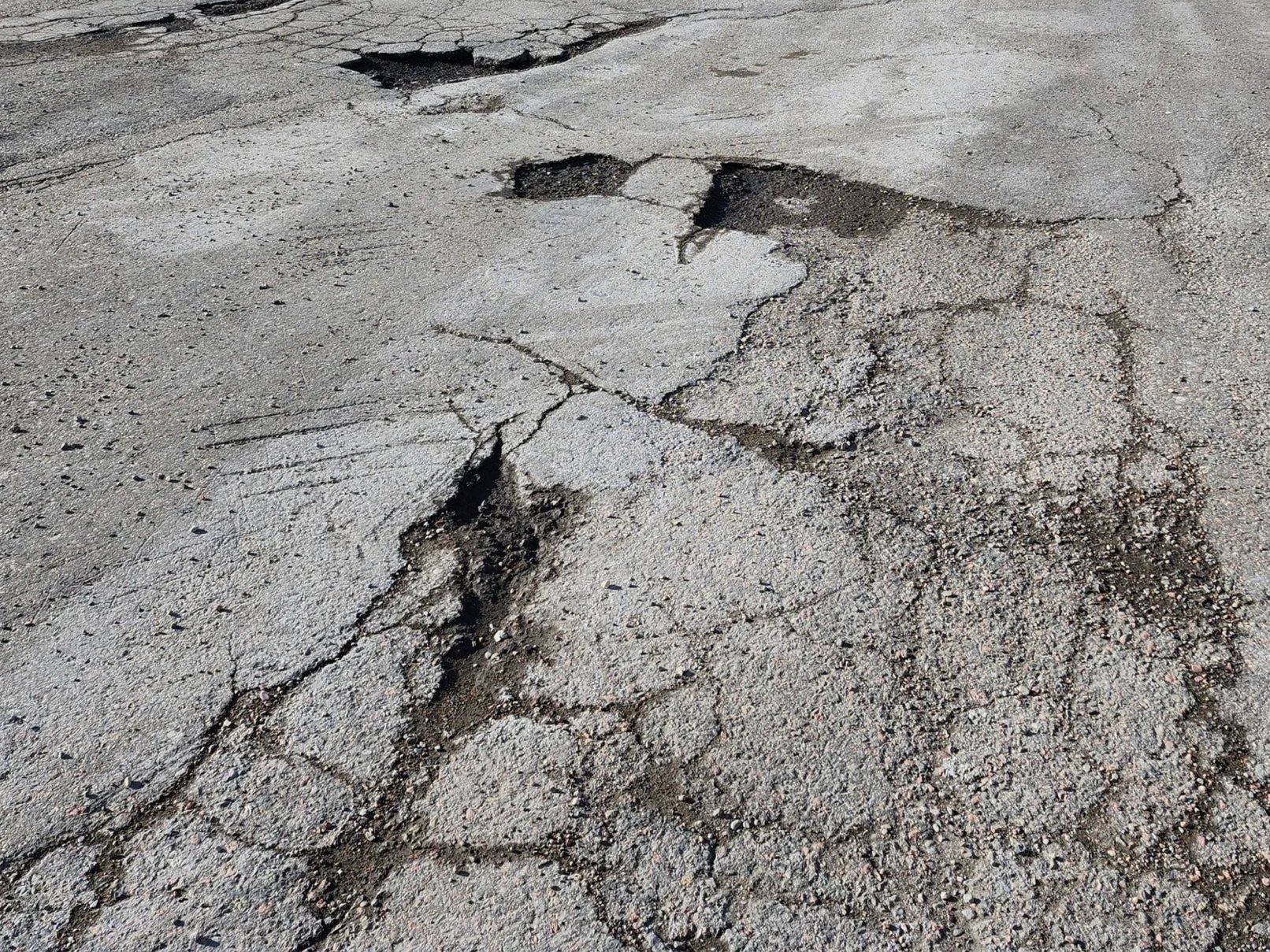
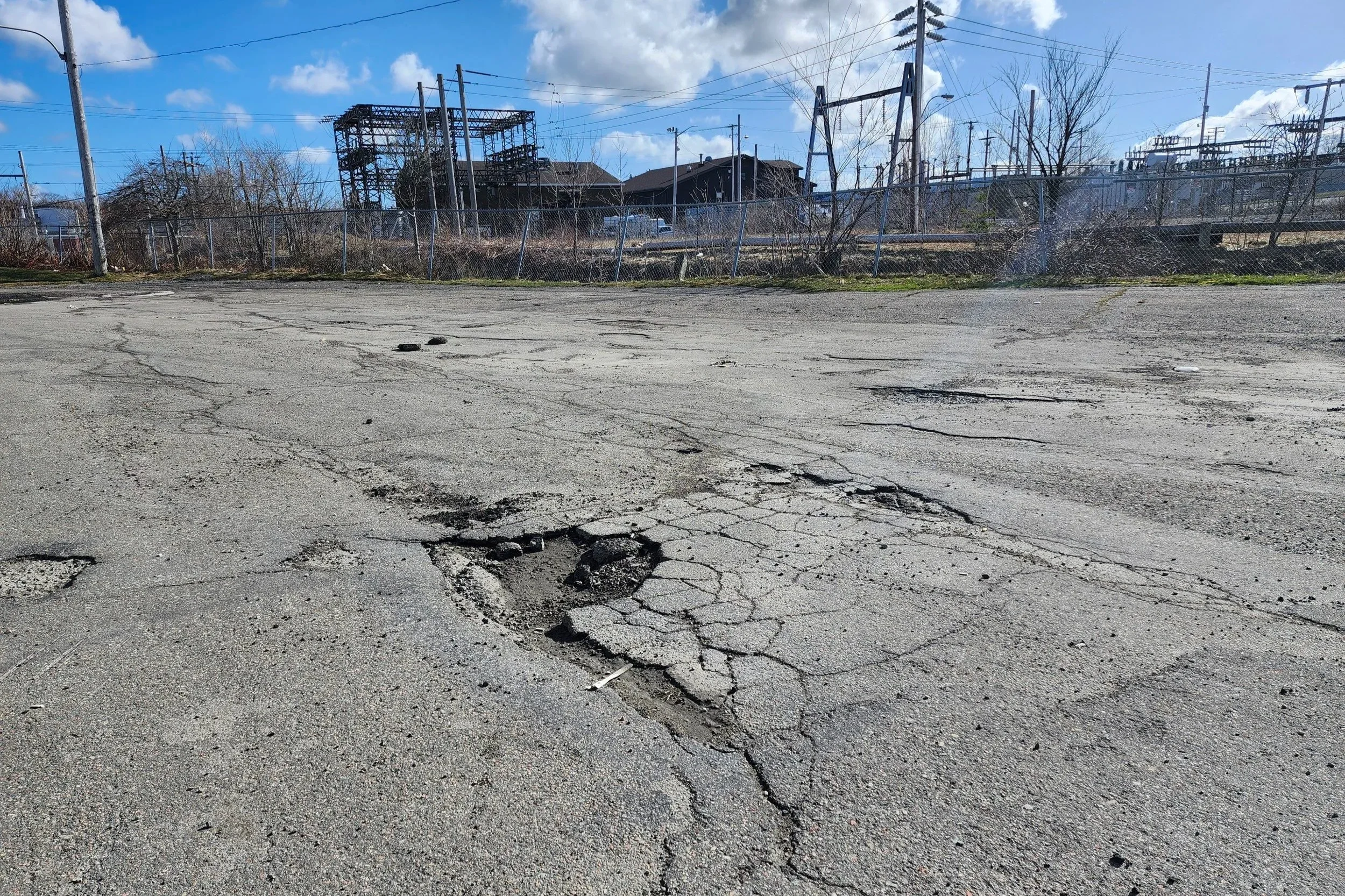
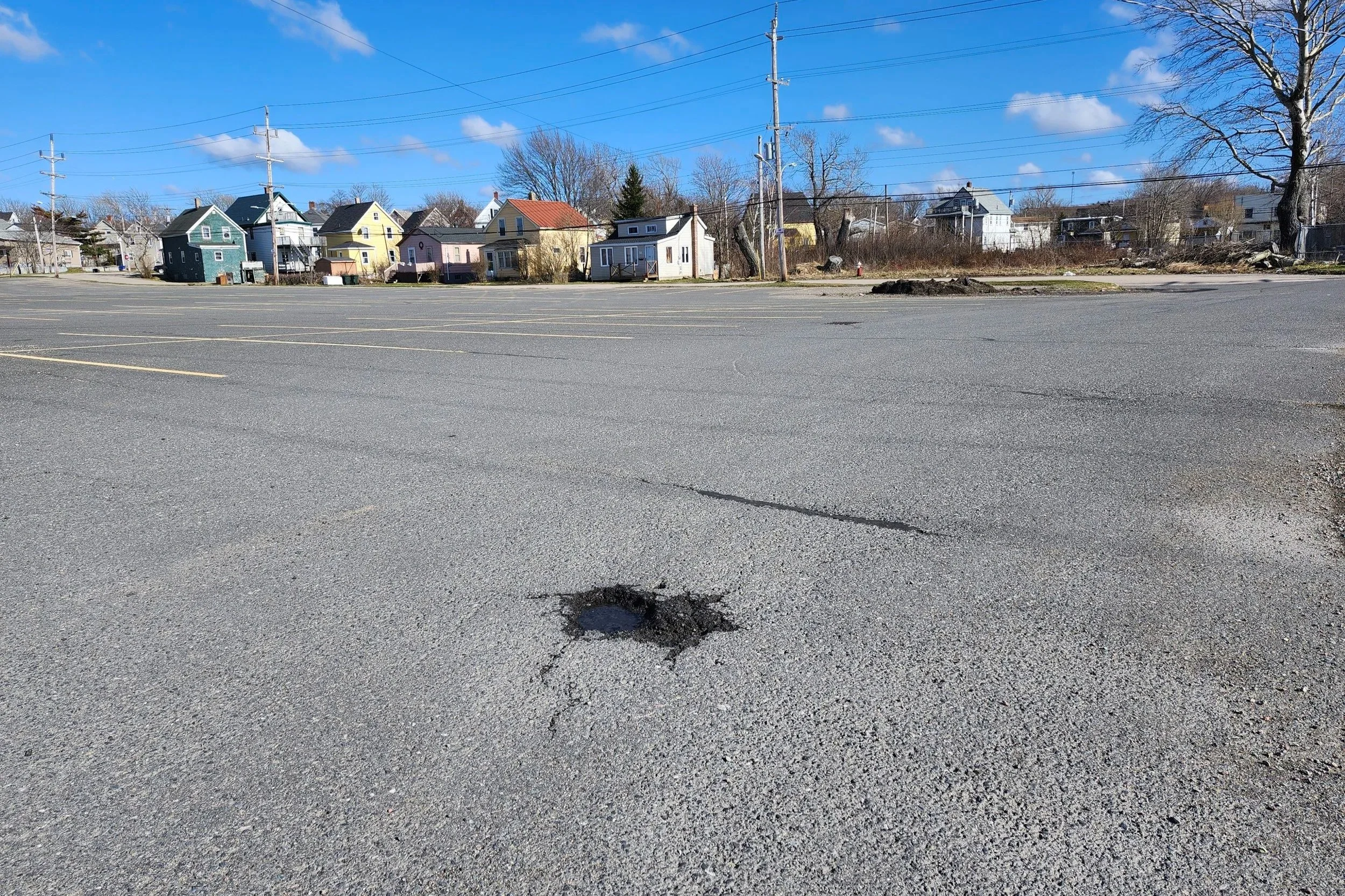
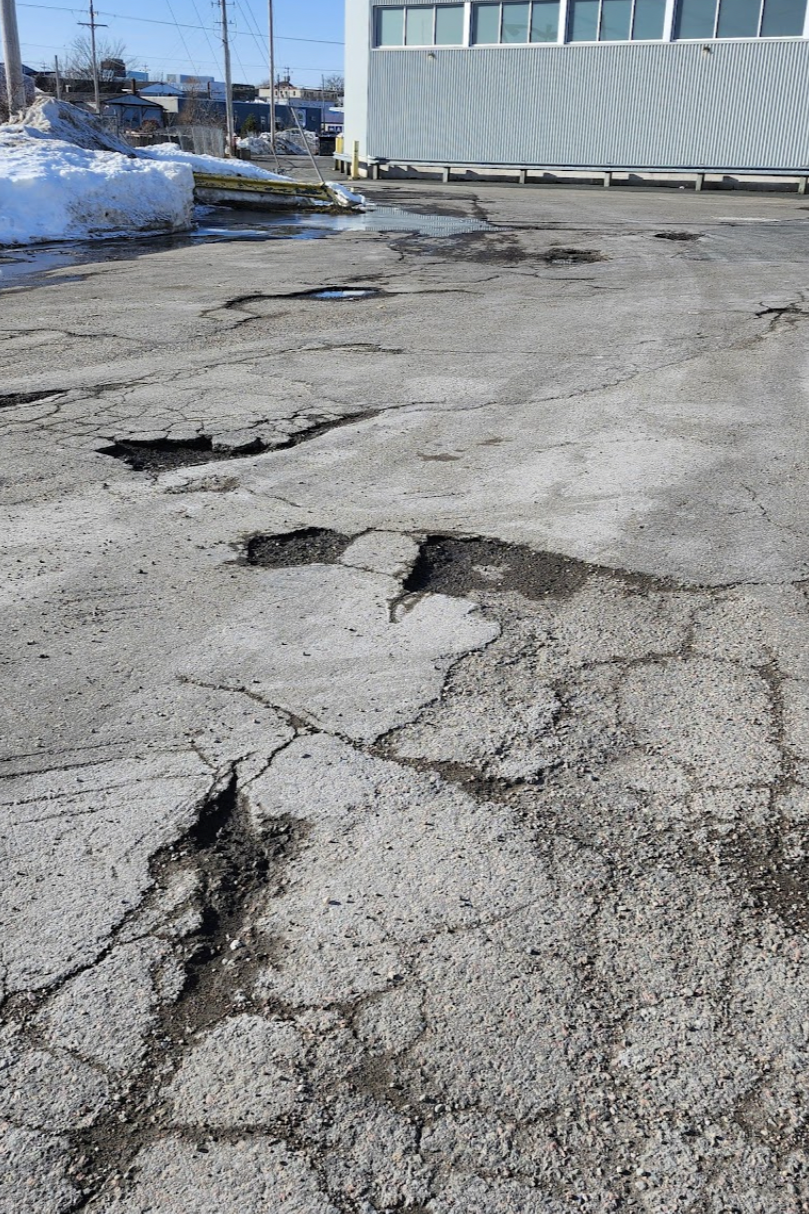
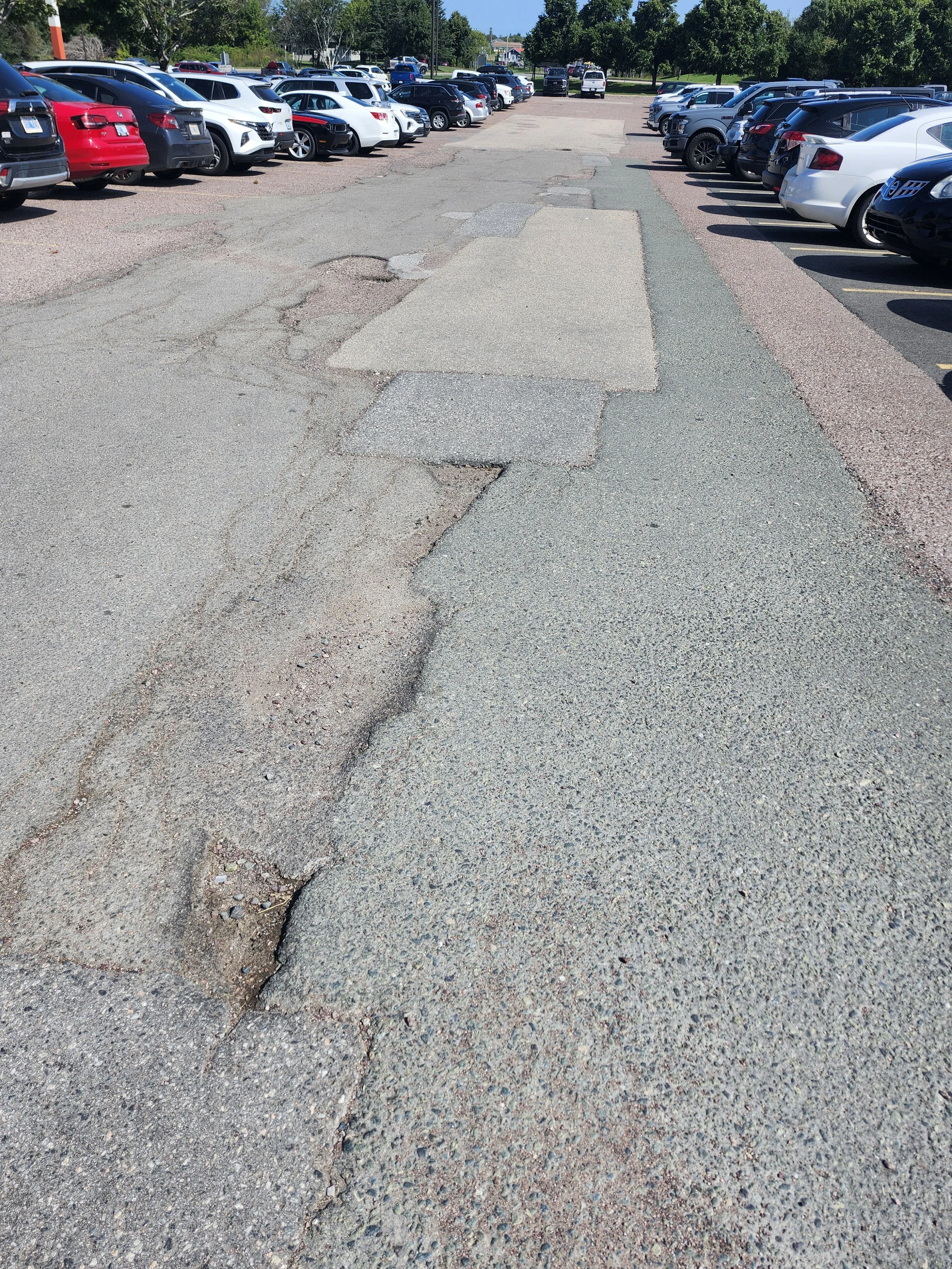
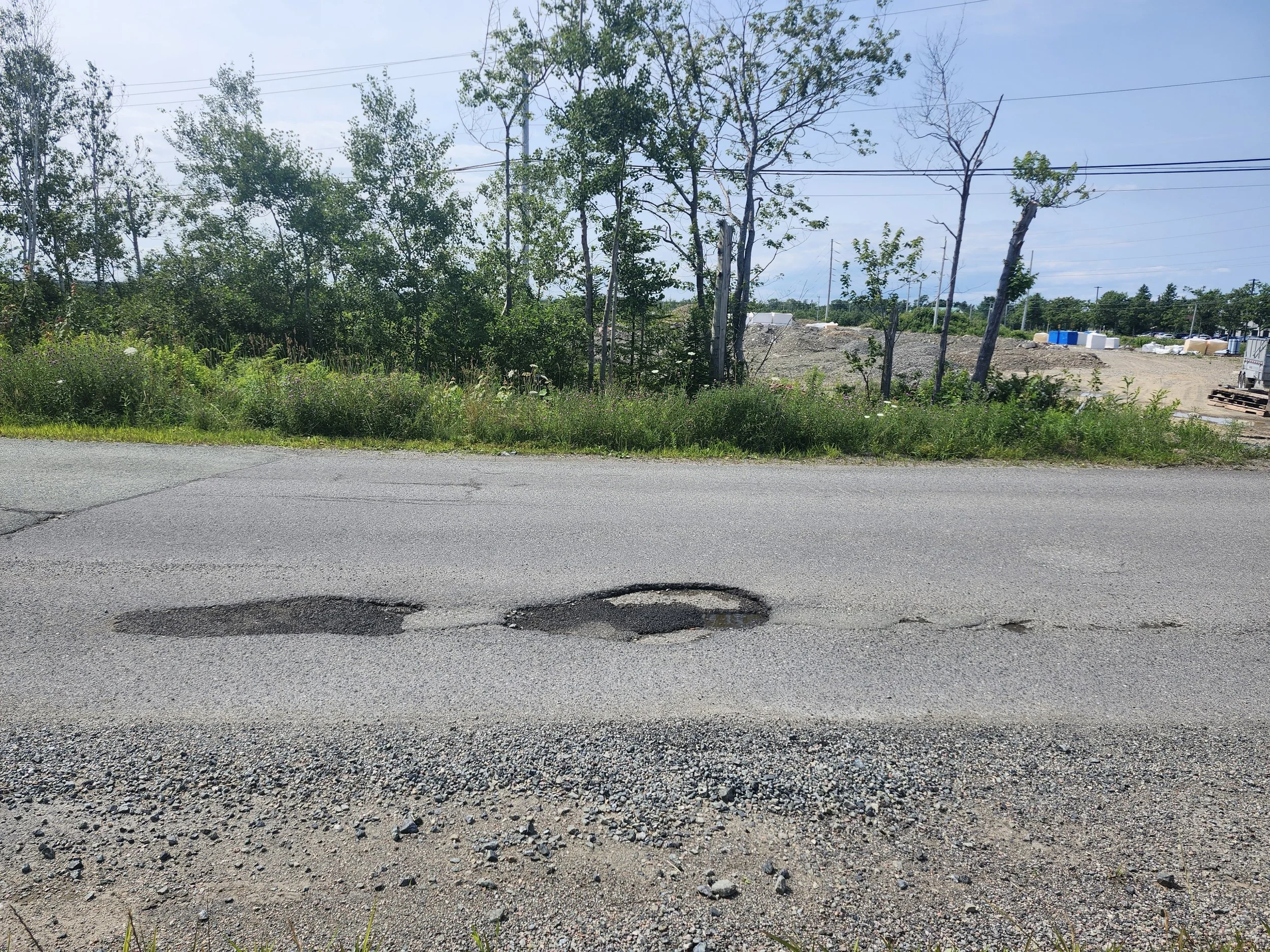
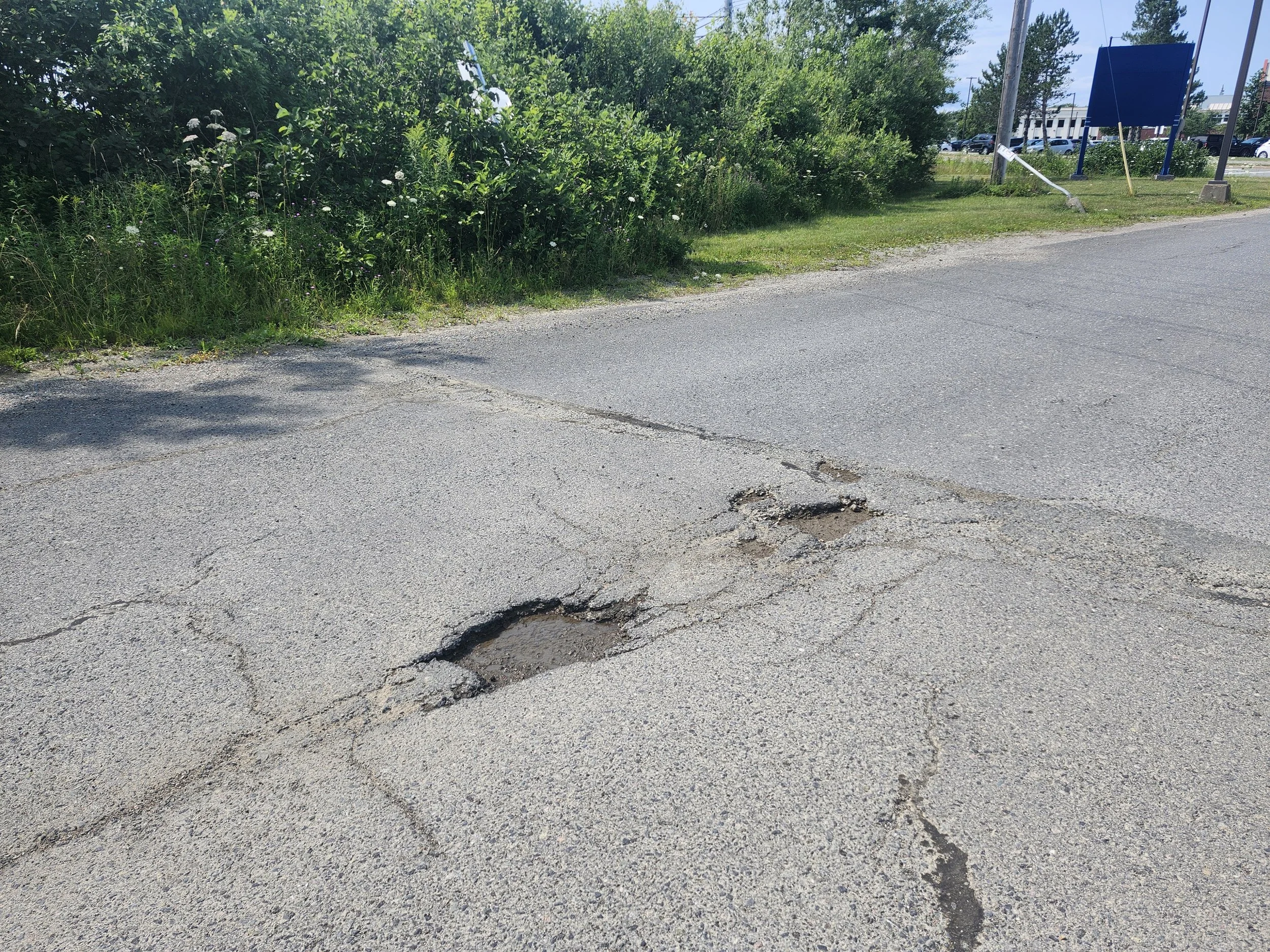
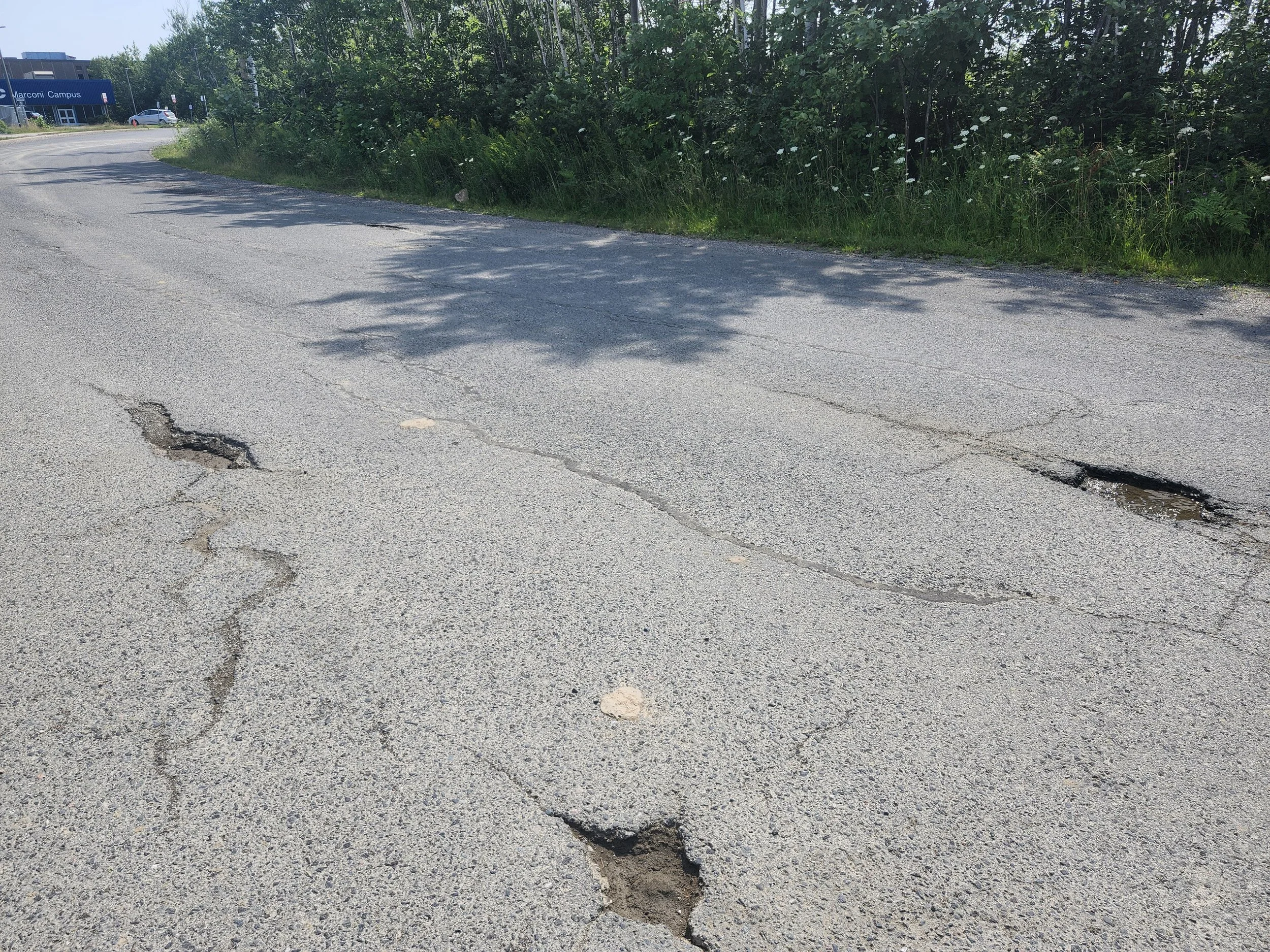
Every pothole is unique as they range in depth, size, and shape. They vary in texture and appear on many surfaces, including asphalt, dirt, and gravel. Potholes are indicators of time; marking where they have started to how they will grow. They are unwanted landmarks, mapped and categorized by travellers and the community.
---
With funding from the Cape Breton Creative Catalyst program, I was able to document, archive, and create my project called Pot_Holes. As part of the project, I had to look for potholes in the Cape Breton Regional Municipality (CBRM) while walking in places I regularly visit. The neighborhoods of the CBRM included North Sydney, Ashby, the Waterfront District, and the Shipyard.
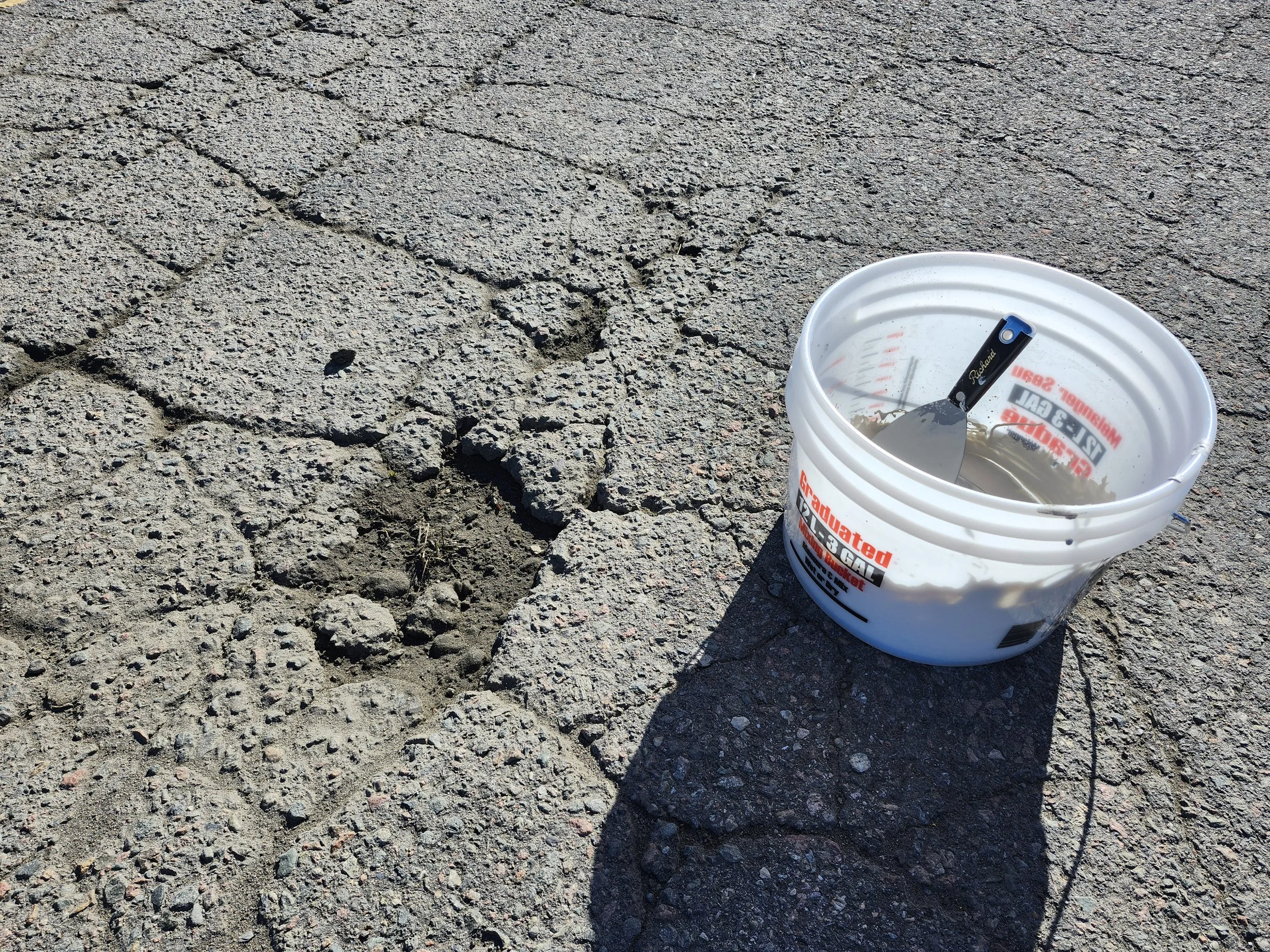
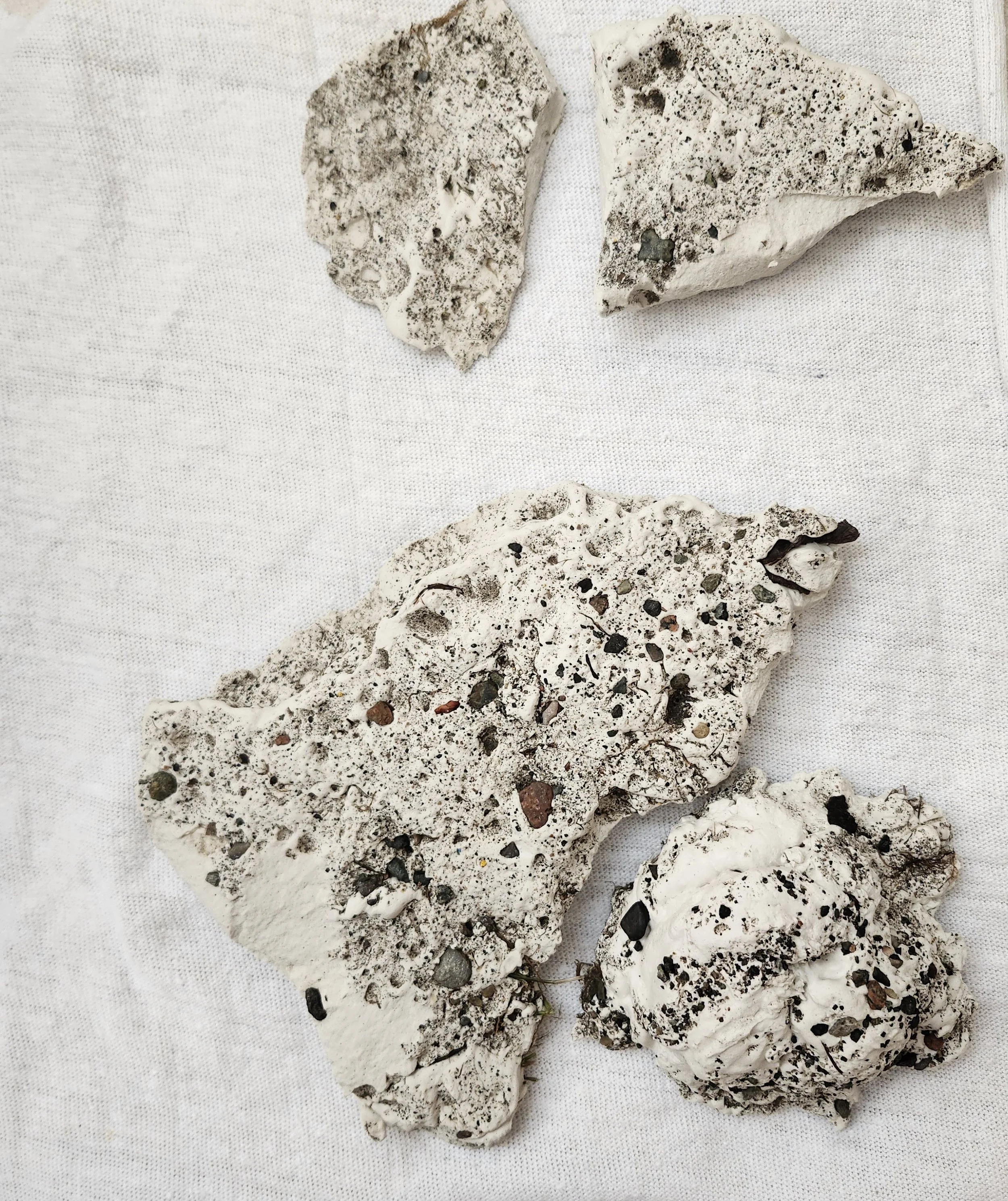
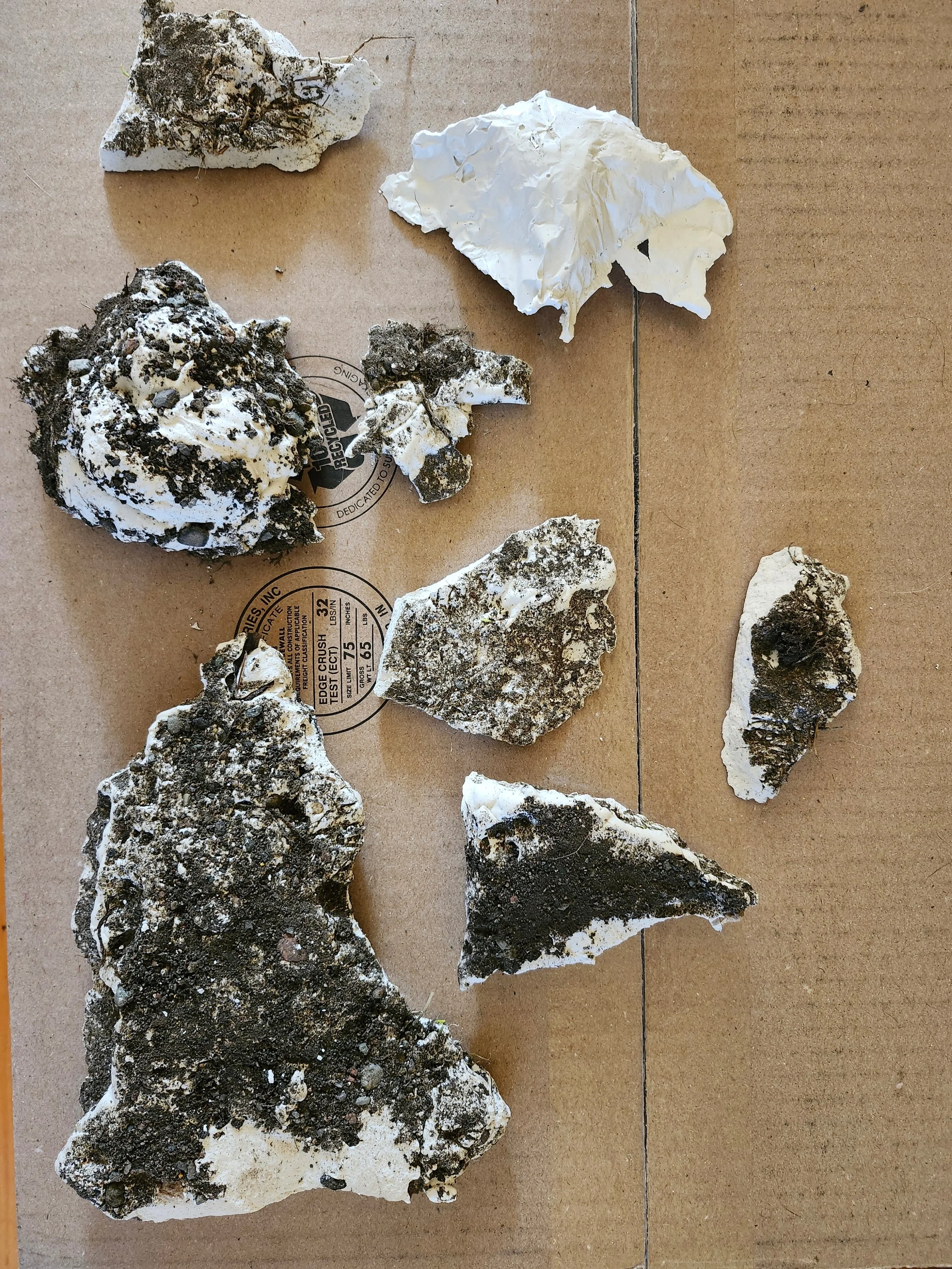
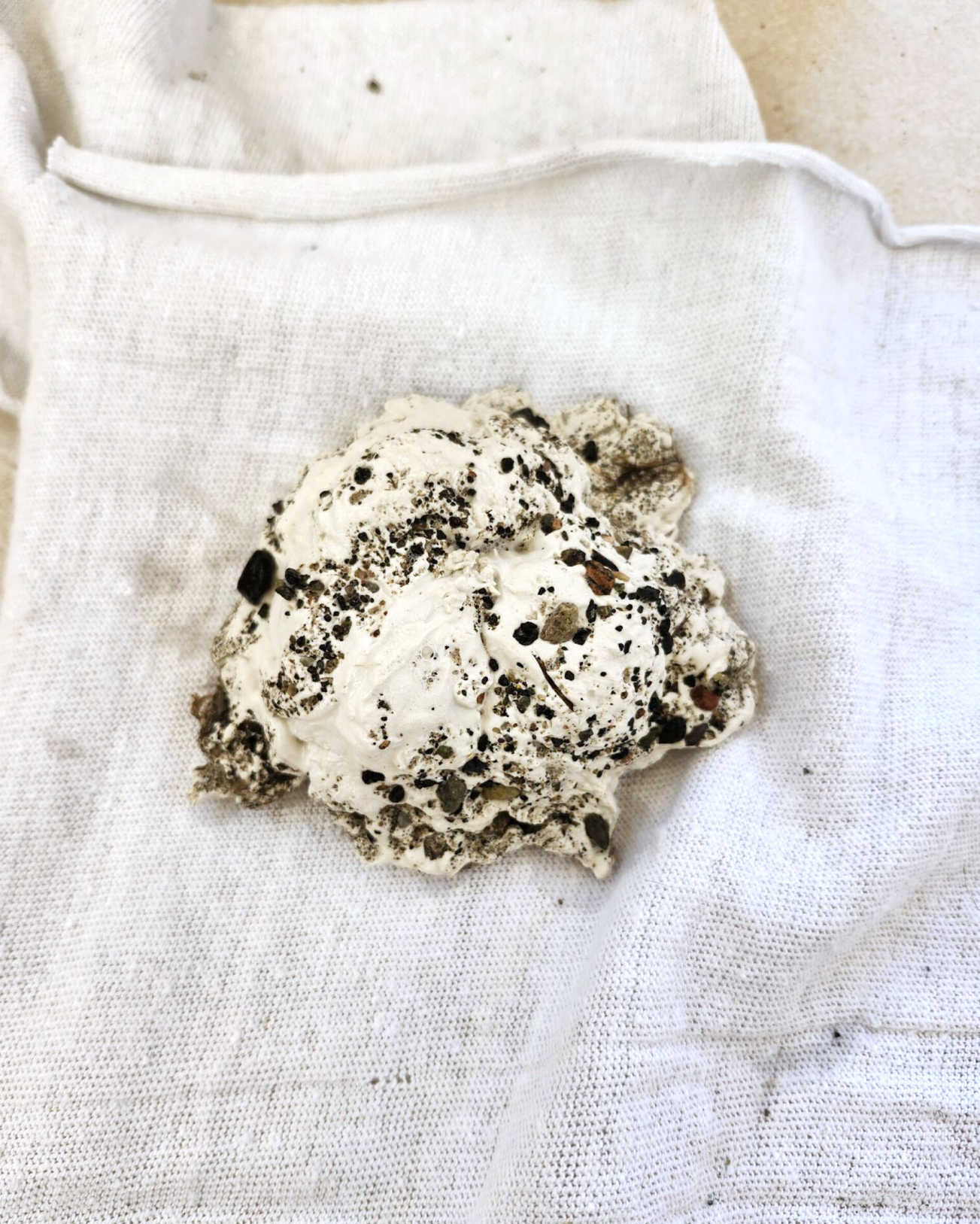
I discovered a variety of potholes (based on their location, depth, and formation) and filled them with Plaster of Paris. The plaster recorded the texture and crevices within the cavity while providing temporary bonding.
The Plaster of Paris dried in 30 minutes and was easily removed once the medium had settled. Once the sculpture of the pothole had dried and been meticulously cleaned, the artwork was prepared for display.
Pot_Holes
Scout
Cast
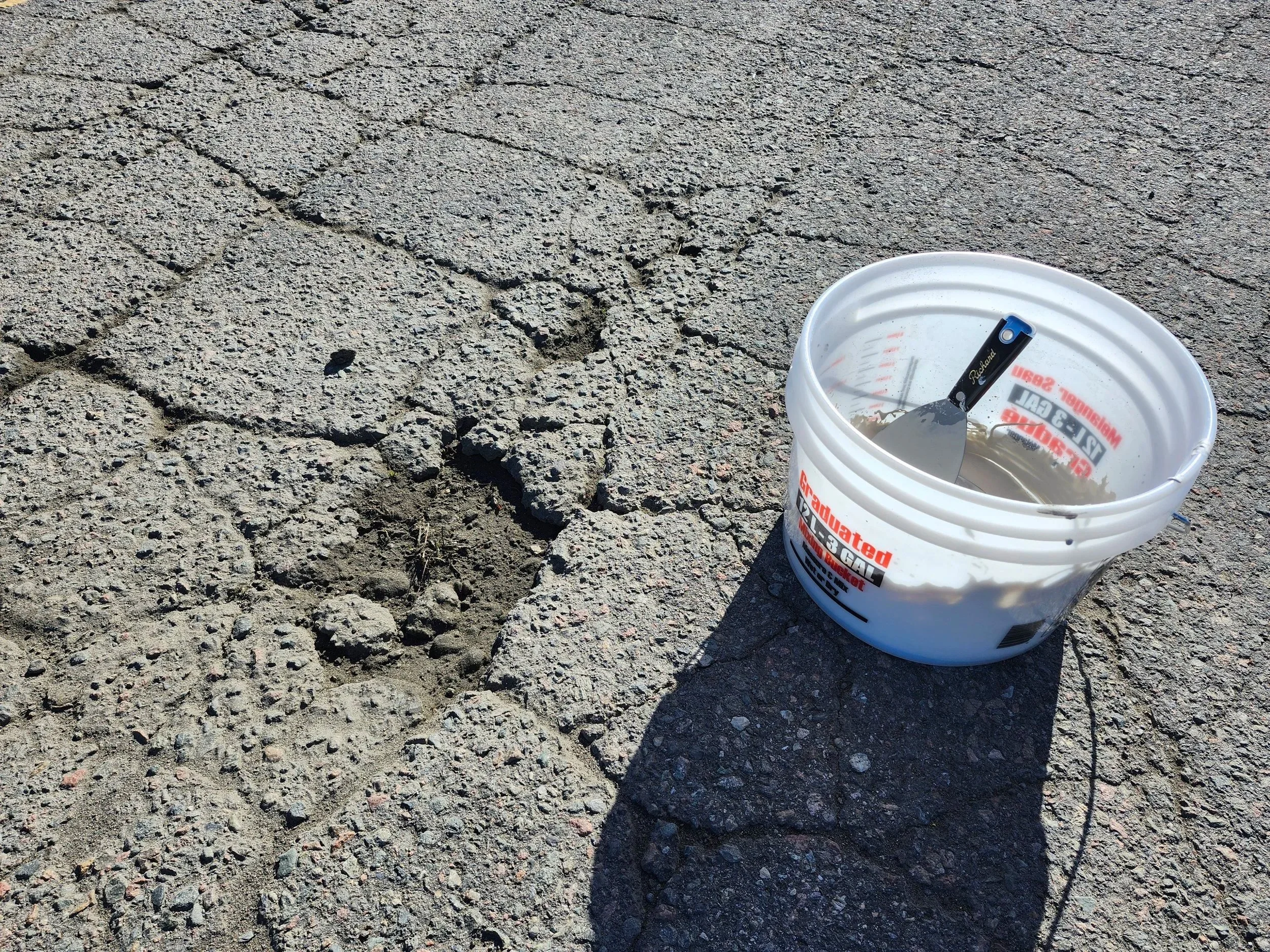
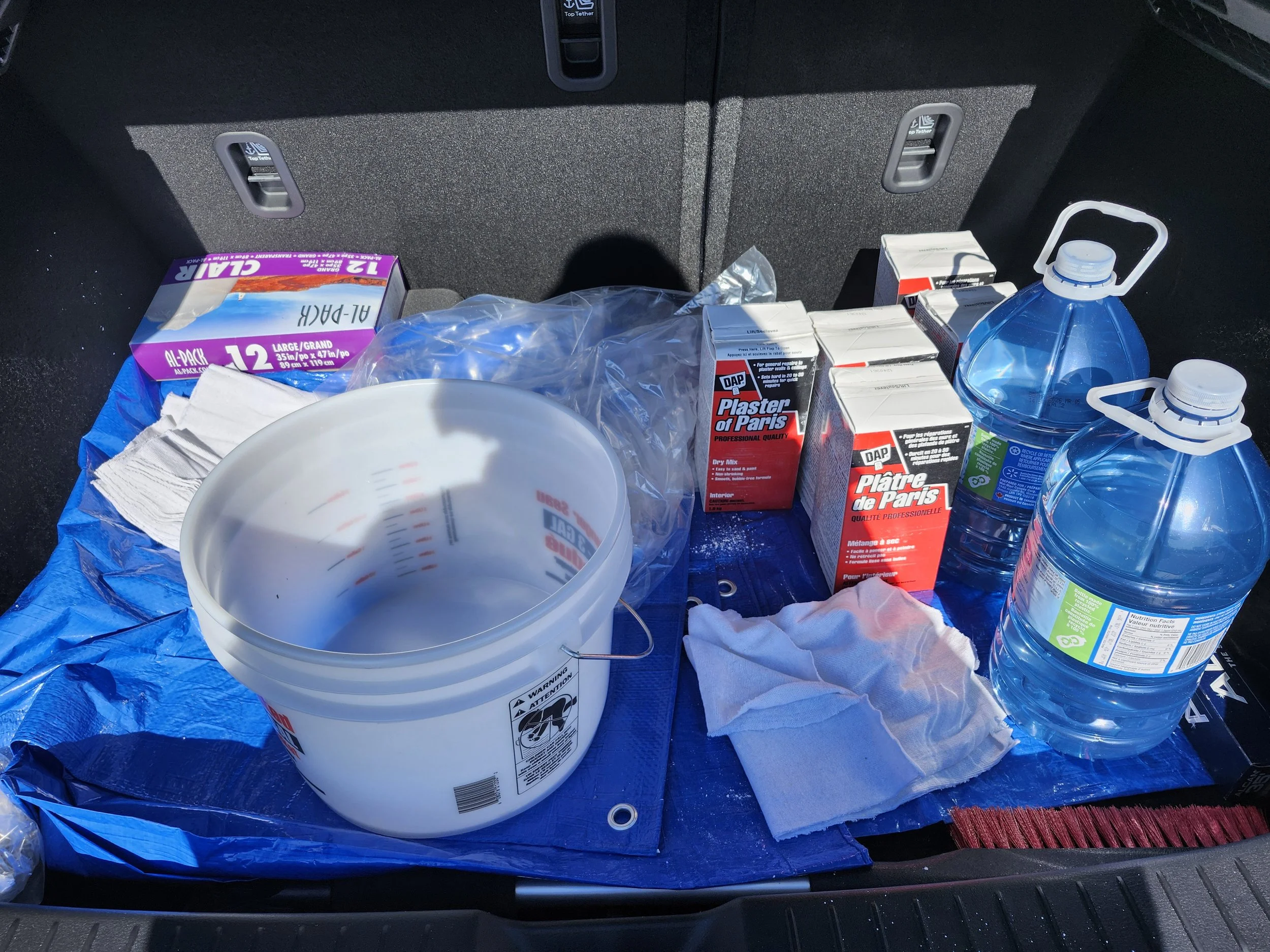
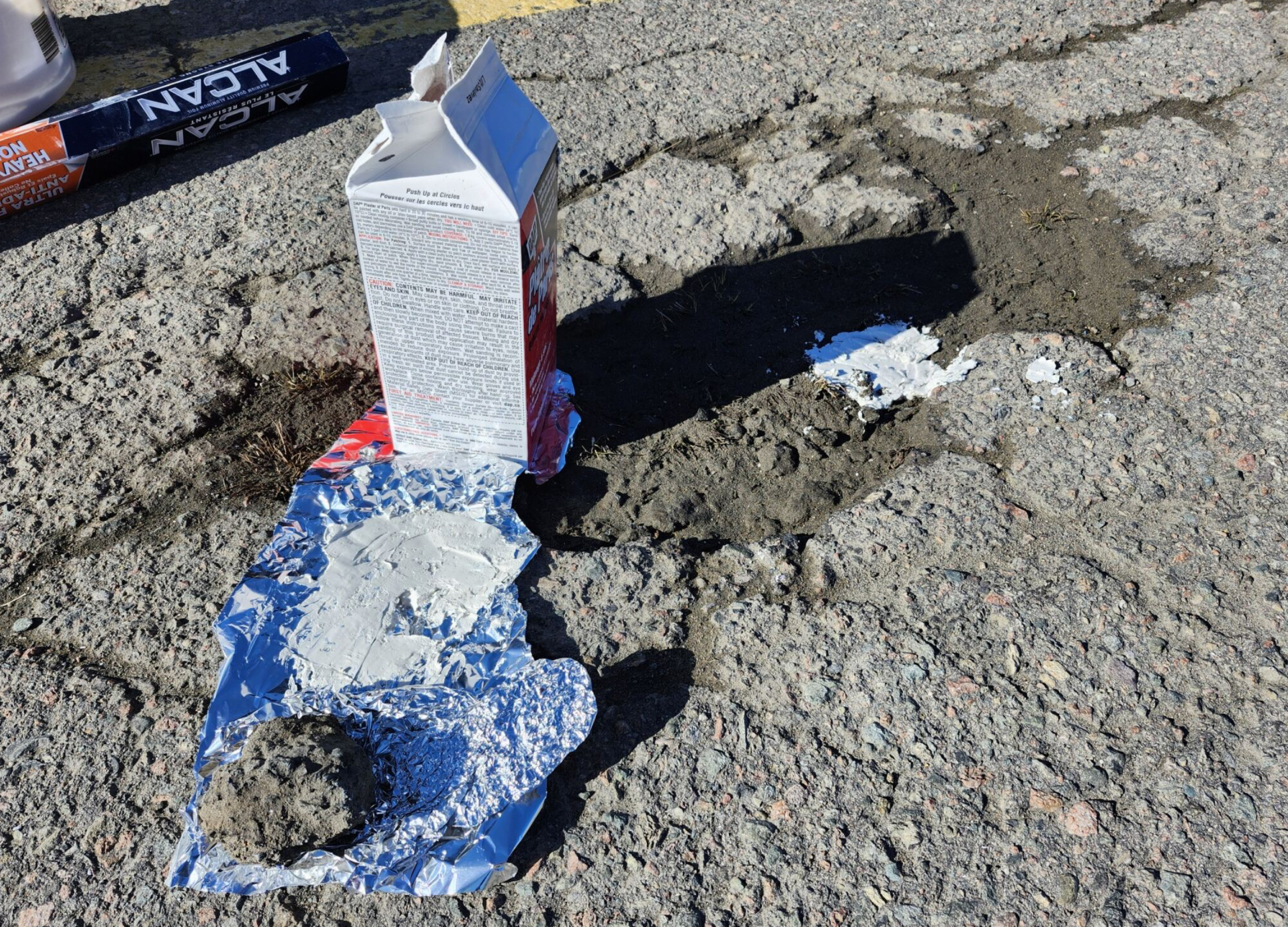
1. In a large bucket, I have mixed an even amount of plaster and water
2. After about a minute, I poured the mixture into the pothole. Additionally, I used plastic to cover the hole before pouring the liquid to prevent dirt and rocks from getting inside.
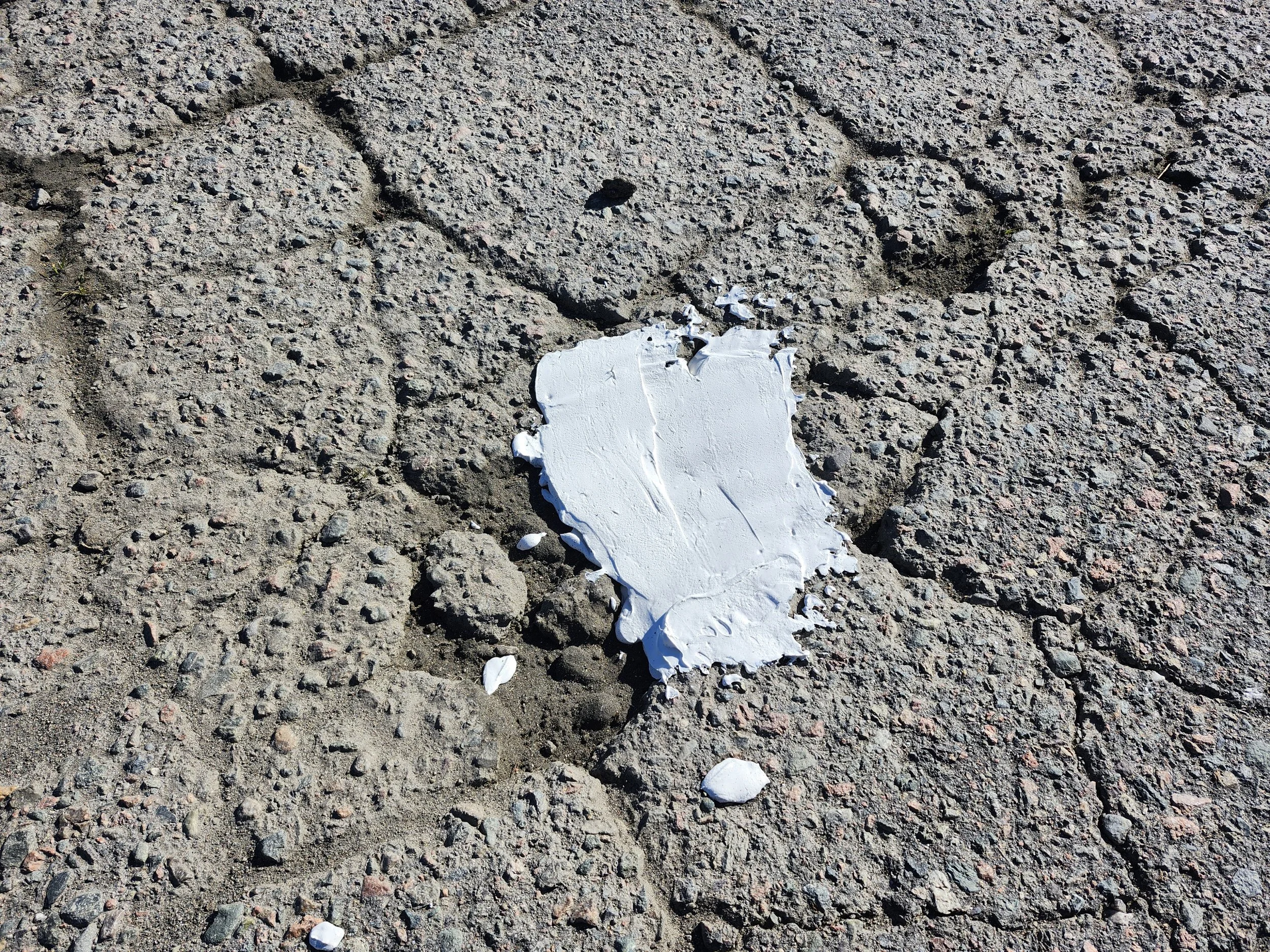
3. Depending on the weather, the casting took about 25-30 minutes to settle
4. When the plaster no longer appeared grey and turned white, it meant the mixture was dry. I carefully chiselled the edges of the pothole to loosen and remove the cast.
I made sure that I picked up any plaster debris after taking off the cast!
Exhibit
Acknowledgements
I would like to express my gratitude for the funding provided by the Cape Breton Catalyst Program, which is administered by the Cape Breton Regional Municipality.
I am grateful to Todd Hiscock, the Cape Breton University Creative Arts Coordinator, for permitting me to exhibit "Pot_Holes" on the CBU campus. Thank you to Greg Davies, Curator of the Cape Breton University Art Gallery, for allowing me to give an artist talk at the art gallery.